How Often Should You Schedule Professional Gutter Cleaning for Maximum Protection?
Gutters are one of the most overlooked components of a home, yet they bear the critical responsibility of directing water away from your foundation, siding, and landscaping. When gutters are clogged with leaves, debris, or sediment, that responsibility fails — and the consequences can be severe. From water intrusion in basements to rotted fascia boards and eroded driveways, the damage caused by neglected gutters often costs homeowners thousands of dollars in repairs. Despite this, many property owners delay or skip professional gutter cleaning altogether, either assuming seasonal rainfall will flush the system or that visible overflow is normal.
The question of how often you should schedule professional gutter cleaning is not a one-size-fits-all answer. It depends on your region, the type of trees surrounding your property, the age of your gutter system, and the seasonal weather patterns in your area. What remains constant, however, is this: regular professional gutter cleaning is not optional maintenance — it is a foundational protection strategy for your home. This guide breaks down the recommended cleaning frequency, the factors that influence that schedule, and the real risks of falling behind.
The Standard Recommendation: Why Twice a Year Is the Baseline
Spring and Fall Cleanings: The Core Schedule
Most roofing and exterior maintenance professionals agree that gutters should be cleaned at least twice a year — once in late spring and once in late fall. The fall cleaning addresses the heavy buildup of leaves and seed pods that accumulate after trees shed. Allowing this debris to sit through winter creates a saturated, compacted blockage that restricts drainage during snowmelt and spring rains, which are often the heaviest precipitation events of the year.
The spring cleaning clears any remaining winter debris, granule buildup from shingles, and early-season pollen or seed material. This positions your drainage system to handle the high rainfall that typically comes with spring storms. Skipping the spring cleaning while relying solely on a fall service is a common mistake that leaves gutters vulnerable during one of the most water-intensive seasons.
Real-World Scenario: The Cost of Going Once a Year
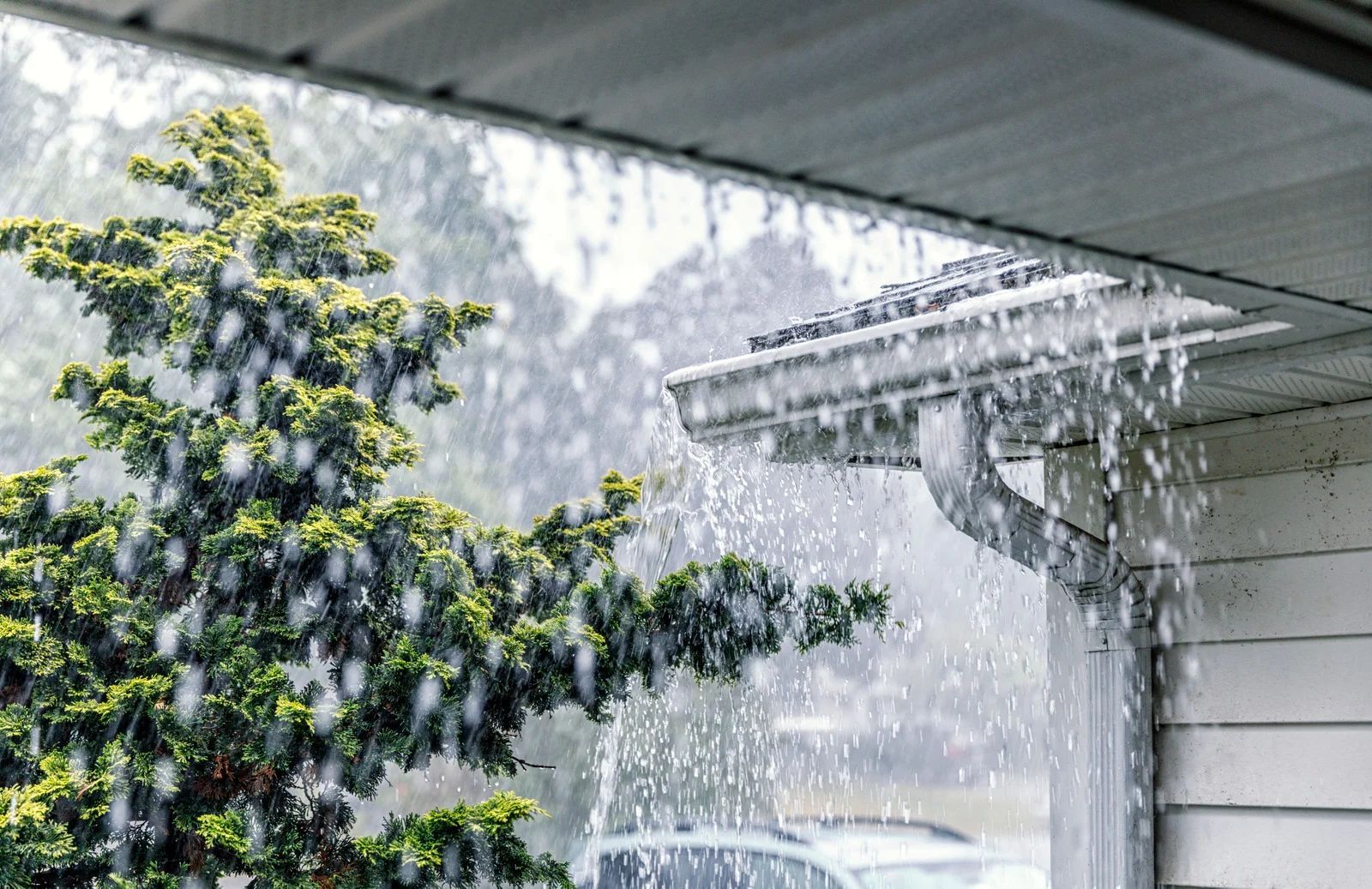
Consider a homeowner in a mid-Atlantic state who cleans gutters only in the fall. By March, debris from the winter months — including shingle granules, small twigs, and decomposing leaves — has compacted inside the system. A heavy spring rainstorm overflows the gutters onto the wooden fascia. Over two seasons, the fascia begins to rot and water starts migrating toward the soffit. What began as a $150 cleaning that was skipped becomes a $1,200 fascia and soffit repair. This scenario repeats itself across thousands of homes annually and is entirely preventable with a consistent cleaning schedule.
Factors That Require More Frequent Cleaning
Tree Coverage and Proximity
If your property has mature trees — particularly pine trees, oaks, or sweet gums — positioned over or near the roofline, twice-a-year cleaning is likely insufficient. Pine needles fall year-round, compacting densely in gutters and resisting natural flushing. Oak trees drop acorns, tassels, and leaves in multiple seasonal cycles. In these situations, three to four professional cleanings per year is a reasonable standard. Some heavily wooded properties may benefit from quarterly service to maintain proper flow and prevent ice dam conditions in colder climates.
Regional Climate and Storm Frequency
Geographic location plays a major role in determining cleaning frequency. Homes in the Pacific Northwest experience near-constant wet conditions from October through March, with moss, algae, and sediment buildup becoming major issues in addition to standard debris. Homes in the Southeast face hurricane-season debris surges from late summer through fall. Properties in the Northeast must prepare for freezing gutters and ice dam formation during winter. Each of these climates demands a customized cleaning schedule rather than a universal approach.
Gutter Age and Condition
Older gutter systems with sagging sections, misaligned joints, or shallow pitch hold debris more readily than properly installed modern systems. If your gutters are more than 15 years old and have not been inspected or releveled, they may require more frequent cleaning simply because standing water and slow drainage encourage faster buildup. A professional cleaning appointment also gives a technician the opportunity to identify early signs of failure before they become structural problems.
What Happens When Gutter Cleaning Is Neglected
Foundation Damage and Water Intrusion
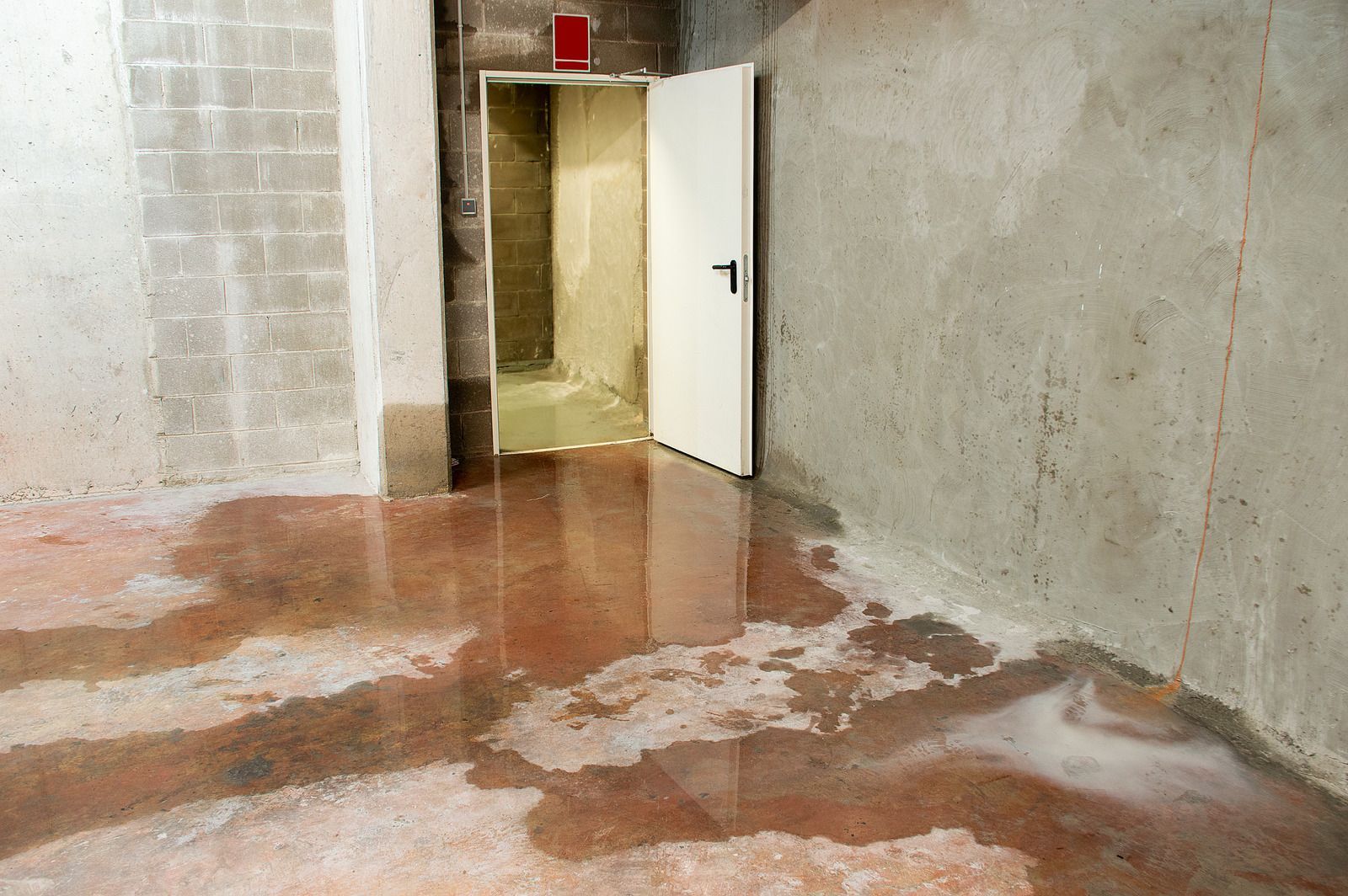
The most severe consequence of clogged gutters is foundation compromise. When drainage fails and water pours directly off the roofline without direction, it pools around the perimeter of the home. Over time, this water saturates the soil adjacent to the foundation, causing hydrostatic pressure that leads to cracking, bowing walls, and in worst cases, basement flooding. Foundation repairs are among the most expensive structural issues a homeowner can face, often ranging from $5,000 to $30,000 depending on severity. Gutter cleaning is one of the most cost-effective measures available to prevent this outcome.
Roof and Structural Damage
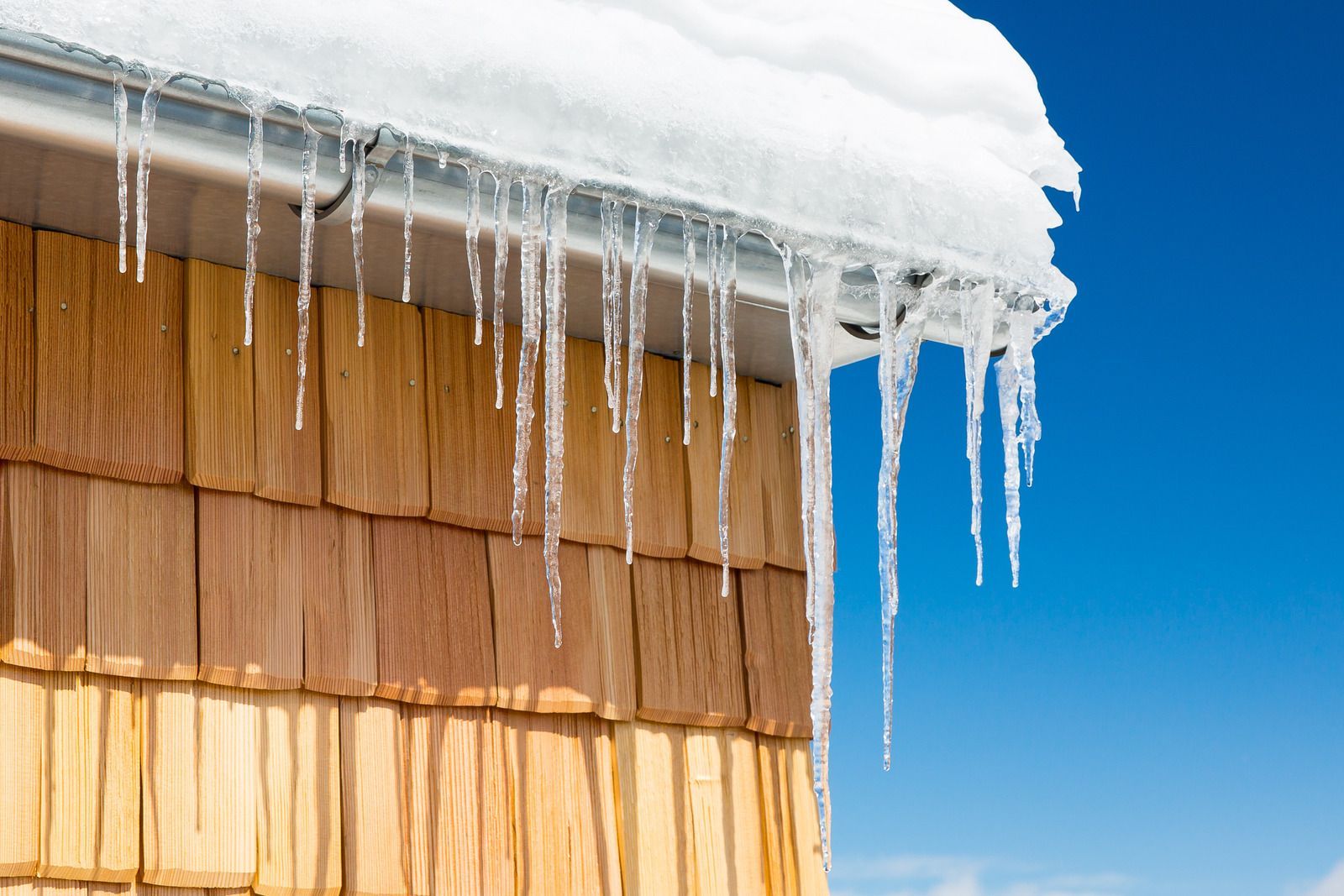
Clogged gutters cause water to back up under the roof shingles and into the decking. In freezing temperatures, trapped water expands into ice, forcing shingles apart and weakening the roof membrane. This is how ice dams form — a condition that causes significant interior water damage when ice eventually melts and seeps under roofing materials. Regular fall gutter cleaning before the first freeze is one of the most effective ways to reduce ice dam risk and protect the roof deck from premature deterioration.
Pest and Mold Infestations
Stagnant water in clogged gutters creates an ideal environment for mosquito breeding, particularly in late spring and summer. Decomposing organic material also attracts birds, rodents, and carpenter ants, which can establish nests inside the gutter trough or in the fascia behind it. Mold and algae growth in persistently damp gutters can spread to the siding and soffit, creating both an aesthetic and a health concern. Addressing these problems after the fact is significantly more costly and disruptive than maintaining a clean gutter system from the outset.
Creating the Right Cleaning Schedule for Your Home
Building Your Custom Frequency Plan
Rather than defaulting to a generic schedule, homeowners benefit from evaluating their specific circumstances. If your home is in a low-canopy suburban neighborhood with no overhanging trees and a mild climate, twice per year may be entirely adequate. However, if you check any of the following conditions, increasing to three or four annual cleanings is a sound investment: heavy tree coverage within 30 feet of the roofline, a history of basement moisture or water intrusion, an older gutter system installed more than a decade ago, a climate with heavy seasonal rainfall or frequent freezing temperatures, or previous ice dam formation on the roof.
Timing Your Cleanings Strategically
Timing matters as much as frequency. The fall cleaning should take place after the majority of leaf drop has concluded — typically mid to late November in most of the United States — rather than in early October when trees are still shedding. Cleaning too early in the fall means significant debris will accumulate before winter, negating the service. The spring cleaning should occur after the last frost and before the first major rain events, typically in late April or early May. This strategic timing maximizes the protection each cleaning provides.
Gutter Guards: Supplement, Not Replacement
Many homeowners invest in gutter guards expecting to eliminate cleaning requirements entirely. While quality micro-mesh guards do significantly reduce the volume of debris entering the gutter trough, they do not make cleaning unnecessary. Fine particles such as shingle granules, pollen, and seed matter still pass through or accumulate on top of guards. Even homes with gutter guard systems should plan for at least one professional inspection and cleaning per year. Guards are a valuable supplement to a maintenance schedule, not a substitute for one.
Reliable Protection Starts With Our Professional Gutter Team
Gutter cleaning is not a task to approach casually or delay indefinitely. The frequency that provides maximum protection depends on your home's specific environment, but the foundational principle is clear: twice per year is a minimum, and many homes require more. Spring and fall cleanings form the core of a sound maintenance strategy, while factors such as tree density, climate, gutter age, and prior water damage history should guide decisions about adding additional service intervals. The structural and financial risks of neglected gutters — from foundation erosion to roof damage to pest infestations — far outweigh the modest cost of scheduled professional service. Treating gutter maintenance as a non-negotiable part of homeownership, rather than an optional seasonal task, is what separates homes that age well from those that accumulate preventable damage over time.
At Mack Glass And Gutters, we have spent 15
years serving homeowners in Maplewood, NJ, and the surrounding region with
professional gutter cleaning, inspection, and maintenance services. Our experience across hundreds of residential properties has given us a deep understanding of how local tree coverage, seasonal weather patterns, and regional architecture affect gutter performance. We do not offer a generic approach — every home we service receives a thorough assessment and a cleaning schedule recommendation tailored to its specific needs. When you work with us, you benefit from more than a clean gutter trough. You receive a professional evaluation of your entire drainage system, including downspout condition, gutter pitch, hanger integrity, and fascia health. Our technicians are trained to identify early signs of failure and communicate findings clearly so you can make informed decisions about repairs before minor issues escalate into costly structural problems. Protecting your home starts with the systems most homeowners overlook — and we are here to make sure yours are working exactly as they should be.