Common Gutter Installation Mistakes and How to Prevent Them
Proper gutter installation is crucial for safeguarding your home against water damage. While gutters might seem like a simple addition to your roofing system, a poorly installed gutter can lead to significant problems, including foundation erosion, basement flooding, roof damage, and landscaping issues. Many homeowners underestimate the importance of professional installation, leading to costly repairs and recurring maintenance. Understanding the common mistakes made during gutter installation is essential to prevent long-term structural issues and ensure the longevity of both the gutter system and the home itself.
Gutter systems are designed to efficiently direct water away from your home, protecting key areas like the foundation, siding, and landscaping. Even minor errors in design, slope, or material choice can reduce the efficiency of a gutter system. By identifying common installation mistakes and learning how to prevent them, homeowners and contractors alike can avoid these pitfalls. This knowledge is particularly valuable as it can save time, reduce maintenance costs, and ensure optimal performance. In this guide, we’ll explore the most frequent gutter installation mistakes, discuss their potential consequences, and provide actionable tips and best practices for achieving a seamless, effective gutter system that protects your home for years to come.
Incorrect Gutter Slope and Alignment
Understanding Proper Gutter Slope
One of the most critical factors in gutter installation is the slope, also known as the pitch. Gutters must have a slight downward slope toward the downspouts to ensure water flows correctly. The standard recommendation is a quarter inch of slope for every 10 feet of gutter length. A slope that is too steep can cause water to flow too quickly, leaving debris behind, while a slope that is too shallow may result in pooling, sagging, or overflow.
Real-World Implications
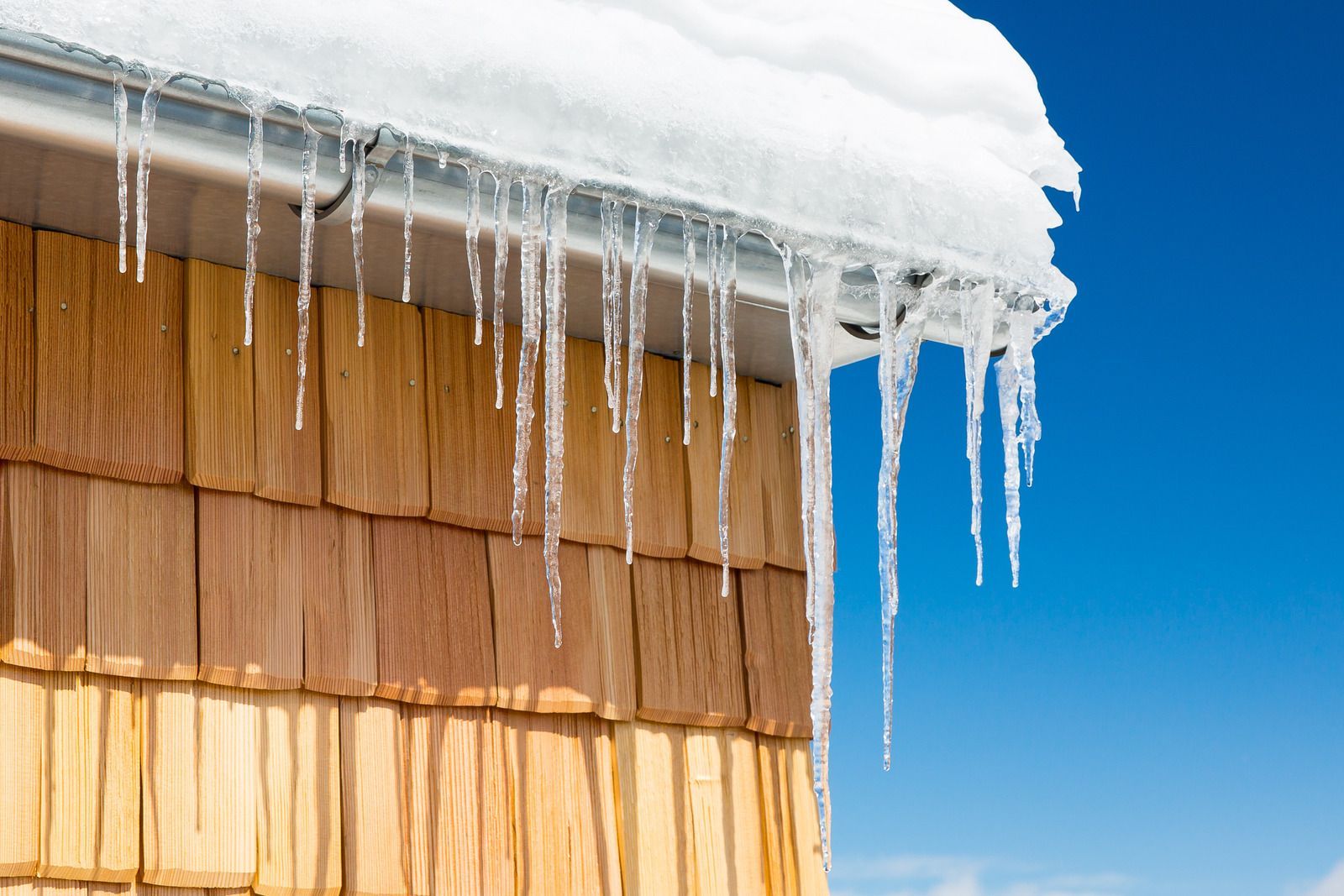
Incorrect slope or alignment often results in standing water, which can accelerate corrosion and attract pests such as mosquitoes. In cold climates, water pooling can freeze, creating ice dams that damage both gutters and roofing. Homeowners frequently encounter these issues when gutters are installed without professional measurements or proper leveling tools, leading to premature wear and recurring maintenance.
Best Practices
- Use a level or laser measuring tools to achieve precise alignment.
- Ensure that the slope directs water to all downspouts efficiently.
- Double-check alignment after fastening gutters to the fascia board to prevent mid-installation errors.
- Consider hiring a professional for long or multi-story gutter runs to guarantee accuracy.
Choosing the Wrong Gutter Material
Overview of Common Gutter Materials
Gutters are available in various materials, including aluminum, copper, steel, vinyl, and zinc. Each material has unique advantages, such as durability, resistance to corrosion, and aesthetic appeal. However, selecting the wrong material for your climate or home design can lead to rapid deterioration or excessive maintenance.
Material Mistakes and Consequences
Aluminum gutters, while lightweight and rust-resistant, can be prone to dents in areas with heavy debris or hail. Vinyl gutters are cost-effective but can crack in freezing temperatures. Copper gutters are highly durable but come at a premium cost, which may not be necessary for every home. Choosing a material without considering local weather, maintenance requirements, or long-term cost can result in replacement far sooner than expected.
Prevention Tips
- Match gutter material to local climate conditions. For example, avoid vinyl in regions with severe winter weather.
- Consider maintenance frequency and the homeowner’s willingness to perform upkeep.
- Evaluate aesthetics alongside functionality; gutters are a visible component of the home’s exterior.
- Consult with experienced installers to determine the ideal material for longevity and performance.
Poor Downspout Placement
The Importance of Strategic Downspout Installation
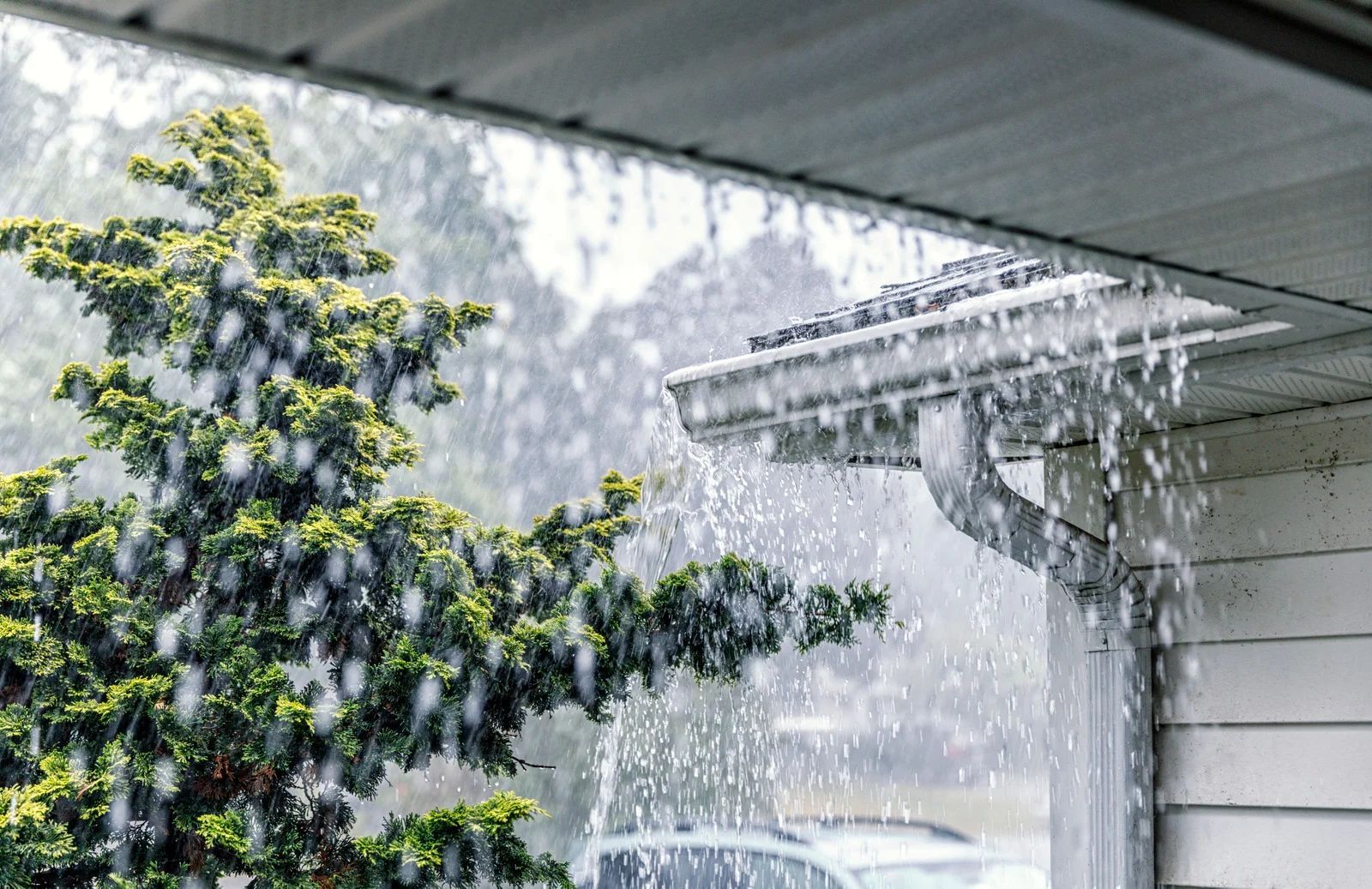
Downspouts are responsible for directing water safely away from your home’s foundation. Misplaced downspouts can result in water pooling near the foundation, leading to potential basement flooding, soil erosion, and structural damage. Proper placement requires careful planning and attention to the natural slope of the yard.
Common Mistakes
- Placing downspouts too far apart or in low-lying areas, which can cause overflow.
- Failing to extend downspouts far enough from the home, leading to foundation damage.
- Neglecting the need for additional drainage systems in areas prone to heavy rainfall.
Expert Tips for Placement
- Space downspouts approximately 30-40 feet apart, adjusting for roof size and rainfall intensity.
- Use extensions or splash blocks to guide water at least 3–6 feet away from the foundation.
- Consider integrating drainage solutions like French drains or dry wells for high-volume runoff.
- Regularly inspect and adjust downspout positioning after installation to maintain optimal flow.
Neglecting Gutter Guards and Debris Protection
Why Gutter Guards Matter
Gutter guards prevent leaves, twigs, and other debris from clogging the gutter system. Neglecting to install guards or selecting the wrong type can result in frequent blockages, water overflow, and roof damage.
Mistakes and Challenges
- Installing guards that do not fit properly or are incompatible with the gutter type.
- Ignoring maintenance despite having guards, which can lead to partial clogs.
- Using low-quality guards that fail to withstand harsh weather conditions, such as heavy snow or strong winds.
Best Practices
- Choose high-quality guards designed for your gutter material and local vegetation.
- Schedule regular inspections and cleanings, even with guards in place.
- Ensure proper installation with a slight tilt to prevent debris buildup.
- Consider mesh, perforated, or reverse curve guards based on performance needs and budget.
Inadequate Fastening and Support
The Role of Proper Fastening
Gutters are subjected to the weight of water, debris, and, in some climates, ice and snow. Without proper fastening and support, gutters can sag, detach, or warp, reducing their efficiency and causing costly repairs.
Common Installation Errors
- Using insufficient or improperly spaced hangers and brackets.
- Failing to secure gutters to the fascia board correctly, especially in older homes with weakened structures.
- Ignoring expansion and contraction needs, leading to buckling during temperature fluctuations.
Prevention Strategies
- Install hangers every 2–3 feet for seamless gutters and every 1–2 feet for sectional gutters.
- Use corrosion-resistant fasteners compatible with the gutter material.
- Allow slight movement to accommodate thermal expansion without compromising structural integrity.
- Inspect supporting structures for damage before fastening to ensure a secure attachment.
Ignoring Local Building Codes and Regulations
Importance of Compliance
Every municipality has building codes regarding gutter installation, including specifications for water flow, downspout discharge, and stormwater management. Ignoring these regulations can result in fines, legal issues, or the need for costly modifications.
Risks of Non-Compliance
- Installing gutters that improperly discharge water onto neighboring properties, potentially causing disputes.
- Using non-approved materials or installation methods that do not meet local standards.
- Neglecting stormwater management guidelines, leading to erosion or property damage.
Best Practices for Compliance
- Research local building codes and permit requirements before installation.
- Hire licensed contractors familiar with regional regulations.
- Document installation practices and specifications to ensure accountability.
- Incorporate sustainable drainage solutions to meet or exceed local water management guidelines.
Poor Maintenance Planning Post-Installation
The Need for Long-Term Gutter Care
Even with proper installation, gutters require periodic maintenance to function efficiently. Failure to plan for maintenance can reduce system longevity and lead to significant damage over time.
Common Oversights
- Assuming a one-time installation eliminates the need for inspections.
- Ignoring seasonal cleaning, particularly in areas with deciduous trees.
- Failing to check for early signs of leaks, sagging, or joint separation.
Recommended Maintenance Practices
- Schedule bi-annual inspections, preferably in spring and fall.
- Remove debris manually or with appropriate gutter cleaning tools.
- Check downspouts, joints, and hangers for integrity and alignment.
- Repair minor issues immediately to prevent extensive damage and higher costs.
Choosing Unqualified Installers
Why Expertise Matters
Gutter installation may appear straightforward, but minor mistakes can lead to major issues. Selecting unqualified or inexperienced installers is a common mistake that can compromise the system’s effectiveness.
Signs of Unqualified Installation
- Installers lack proper licensing, references, or reviews.
- They recommend substandard materials to cut costs.
- Poor measurement, alignment, and fitting during the installation process.
How to Ensure Quality Installation
- Hire licensed, insured, and experienced contractors.
- Request a portfolio of previous installations and customer references.
- Discuss material choices, slope, support, and downspout planning before work begins.
- Insist on a written warranty or service agreement to guarantee workmanship.
Preventing Water Damage Through Correct Gutter Techniques
Installing gutters correctly is vital to protecting your home from water damage, structural problems, and costly repairs. Common mistakes, including incorrect slope, wrong material choice, poor downspout placement, and insufficient support, can significantly reduce the efficiency of your gutter system. By understanding these pitfalls and implementing best practices such as proper alignment, strategic downspout placement, high-quality materials, and maintenance planning, homeowners can ensure their gutters perform optimally for years to come.
Mack Glass And Gutters, based in Maplewood, NJ, brings over 15
years of expertise in
gutter installation and maintenance. With a commitment to quality, precision, and customer satisfaction, our team delivers professional solutions tailored to each home’s unique needs. We ensure every installation meets industry standards and local regulations while maximizing durability and efficiency. Trust Mack Glass And Gutters
for reliable, long-lasting gutter systems that protect your property and enhance its value. Our experience and dedication make us a trusted partner for homeowners seeking professional gutter services.