The Best Time of Year to Schedule a Roof Washing Service
Maintaining the integrity and appearance of your roof is a crucial aspect of homeownership that often goes overlooked. Over time, roofs accumulate debris, algae, moss, and other environmental build-ups that can deteriorate shingles, reduce energy efficiency, and compromise overall structural integrity. While many homeowners focus on seasonal maintenance like gutter cleaning or siding repair, roof washing plays an equally important role in prolonging the lifespan of your roofing system. Regular professional roof cleaning not only enhances visual appeal but also helps prevent costly structural damage, supports proper water drainage, and protects your home’s overall investment against long-term deterioration. Understanding when to schedule this service can prevent costly repairs, improve curb appeal, and safeguard your investment.
The timing of roof cleaning is influenced by several factors, including weather patterns, seasonal growth of algae and moss, and local environmental conditions. Scheduling the service at the optimal time ensures maximum effectiveness while minimizing potential risks to both your roof and your home. Additionally, professional roof washing is not merely about aesthetics—it’s a preventative measure that helps maintain the roof’s protective functions. Considering factors such as roof material, regional climate, sun exposure, and surrounding vegetation allows homeowners to plan roof cleaning at the most effective times, ultimately saving money and avoiding unnecessary complications. Knowing the best time of year to perform this maintenance allows homeowners to align cleaning schedules with the natural cycles of their property, ensuring their roofs remain in excellent condition year-round. In this guide, we will explore the ideal seasons, practical considerations, and expert recommendations for scheduling roof washing.
Optimal Seasons for Roof Washing
Spring Cleaning Advantages
Spring is often the most effective season for roof washing. After the winter months, roofs can accumulate dirt, ice damage, and moisture-related growth. Cleaning in early spring:
- Removes winter debris before it causes shingle damage.
- Prevents algae and moss from establishing in warmer months.
- Prepares the roof for the increased sunlight and higher temperatures of summer.
Real-world scenario: A homeowner in the northeastern U.S. schedules roof washing in late March. By removing winter debris and algae, the roof remains free of moss growth during the humid spring and summer, avoiding costly repairs.
Summer Considerations
Summer offers advantages for roof washing but comes with caution. Dry conditions and warm temperatures allow for faster drying of shingles post-cleaning, reducing the risk of water absorption damage. However, extremely hot temperatures can make chemicals more reactive and potentially harmful to certain roof materials.
Best practices during summer include:
- Scheduling early morning or late afternoon appointments to avoid peak heat.
- Using low-pressure washing methods to prevent shingle damage.
- Applying environmentally friendly cleaning solutions that protect surrounding landscaping.
Fall Roof Washing Benefits
Autumn is another strategic time for roof maintenance. With leaves falling, gutters and rooftops can quickly become clogged, trapping moisture and debris. Cleaning in fall:
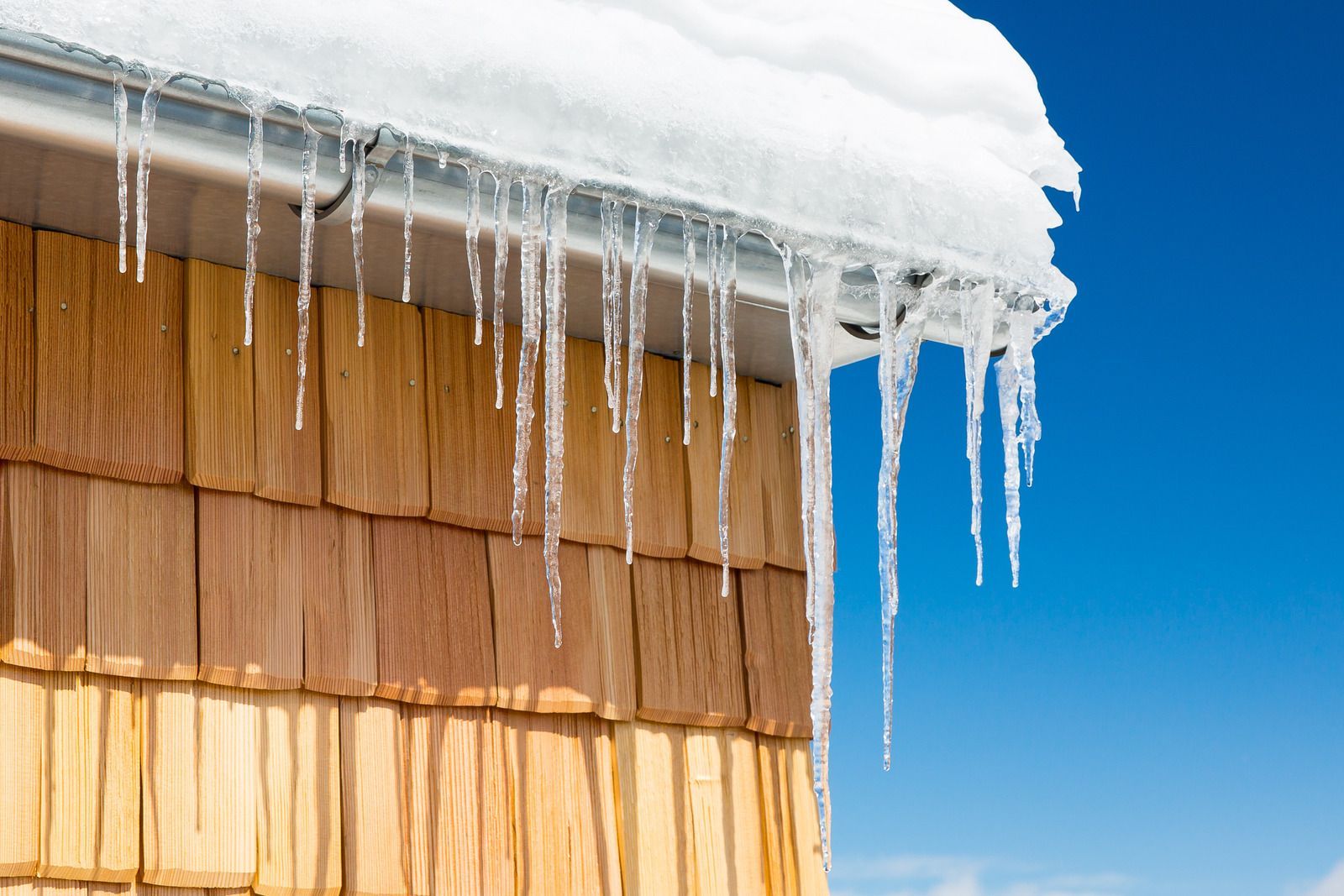
- Prevents winter ice dams caused by blocked gutters.
- Removes debris that could encourage moss growth during the colder months.
- Ensures the roof is structurally sound before snow accumulation.
Expert insight: Homeowners in regions with heavy autumn foliage benefit from scheduling roof washing in October to ensure roofs are free from organic material that could cause ice dam formation.
Winter Limitations
Roof washing in winter is generally not recommended, especially in areas prone to freezing temperatures. Ice formation and snow accumulation pose safety risks to both the roof and service professionals. Additionally, water-based cleaning solutions may freeze, reducing effectiveness and potentially damaging shingles. In milder climates, winter cleaning can be considered with proper precautions, but it is typically secondary to spring or fall schedules.
Factors to Consider When Scheduling Roof Washing
Local Climate and Weather Patterns
One of the most critical considerations is your local climate. Homes in humid, shaded regions may experience algae growth earlier in the year, while dry climates see less frequent contamination. Homeowners should:
- Monitor local rainfall and temperature trends.
- Schedule washing after extended periods of moisture accumulation but before peak growth occurs.
- Adjust timing based on region-specific roof contaminants.
Roof Material and Condition
Different roofing materials respond differently to washing. Asphalt shingles, metal roofs, tile, and slate all have varying susceptibility to damage from moisture, pressure, and cleaning chemicals. Best practices include:
- Using low-pressure washing methods for asphalt and delicate shingles.
- Selecting chemical cleaners compatible with tile and metal roofs.
- Inspecting roof integrity before cleaning to prevent accidental damage.
Frequency of Cleaning
Experts recommend roof washing every 2–5 years, depending on environmental conditions and roof type. High-shade areas or regions with heavy rainfall may require more frequent maintenance. Aligning cleaning frequency with seasonal timing ensures that roofs remain both visually appealing and structurally sound.
Professional vs. DIY Cleaning
While some homeowners attempt DIY roof cleaning, professional services offer critical benefits:
- Safe handling of chemicals and equipment.
- Proper assessment of roof health and early identification of damage.
- Techniques that prevent shingle or structural damage.
Real-world example: A DIY attempt in high heat using pressure washers caused asphalt shingles to lift, resulting in an expensive repair. Professional service mitigates such risks while ensuring effective cleaning.
Benefits of Timely Roof Washing
Preventative Maintenancedvantages
Regular, well-timed roof washing protects your roof from premature deterioration. Moss, algae, and debris left unchecked can:
- Reduce the lifespan of shingles.
- Cause leaks and water infiltration.
- Promote structural decay.
Energy Efficiency
A clean roof reflects sunlight more effectively, especially lighter-colored shingles. Algae or debris accumulation can cause heat absorption, leading to higher energy costs for cooling.
Aesthetic and Property Value
A clean roof enhances curb appeal, a crucial factor if planning to sell or rent a property. Prospective buyers are likely to value well-maintained roofing, influencing perceived property value.
Environmental Protection
Environmentally conscious cleaning methods reduce runoff impact on landscaping and water systems. Using biodegradable solutions during spring or fall ensures contaminants are removed without harming the surrounding ecosystem.
Best Practices for Scheduling Roof Washing
Consult Professionals
Engaging a licensed and experienced roof washing company ensures:
- Correct identification of contaminants.
- Safe application of cleaning chemicals.
- Appropriate pressure and water management techniques.
Monitor Seasonal Cues
- After winter, check for ice damage, moss, and algae.
- In spring, target early growth before humidity peaks.
- In fall, remove accumulated debris ahead of winter storms.
Safety Measures
Professional services incorporate:
- Proper harnesses and safety gear.
- Low-pressure washing techniques to avoid shingle damage.
- Environmentally safe chemicals to protect gardens and nearby structures.
Coordinate with Other Home Maintenance
Roof washing works best when combined with gutter cleaning, siding maintenance, and general home inspections. This coordinated approach prevents cross-contamination and ensures comprehensive protection.
Scheduling Frequency
Consider environmental and structural factors to establish a recurring cleaning schedule. Homes in shaded or high-humidity regions may require twice-yearly inspections and cleanings, while homes in dry, sunny areas may only need attention every three to five years.
Professional Insights for Seasonal Roof Care Planning
Scheduling roof washing at the right time of year is a crucial aspect of home maintenance that ensures your roof remains functional, durable, and visually appealing. Spring and fall emerge as the most effective seasons, with spring targeting post-winter debris and early growth of algae, and fall addressing accumulated leaves and preparing the roof for winter weather. Summer cleaning is possible but requires careful timing and precautions, while winter cleaning is generally discouraged due to safety and effectiveness concerns. Factoring in roof material, local climate, and contamination patterns allows homeowners to maximize the benefits of professional roof washing, prevent long-term damage, and enhance energy efficiency and curb appeal.
For homeowners in Maplewood, NJ, Mack Glass And Gutters
brings over 15
years of experience in professional roof maintenance and cleaning. Our team combines expert knowledge, state-of-the-art equipment, and environmentally responsible methods to ensure your roof remains in peak condition year-round. Whether it’s removing algae, moss, or accumulated debris, we provide reliable, safe, and effective roof washing services that protect your investment and enhance your property’s appearance. Trust Mack Glass and Gutters for comprehensive, professional roof care tailored to your needs.