Basement Damp After Every Storm? How Clogged Gutters Could Be the Cause
Quick Answer: A damp basement that shows up after storms is frequently a drainage problem, not a foundation problem. When gutters are clogged or downspouts dump water too close to the house, rain saturates the soil against your foundation walls instead of running off. That saturated soil pushes moisture through concrete, block, and any hairline cracks, and the pattern repeats with every storm until the water gets routed away properly.
Understanding the Differences
Choosing the wrong method for a surface can cause cracking, stripping, water intrusion, and paint damage. A professional assessment before any cleaning job is essential.
The Water Path Your Gutters Are Supposed to Control
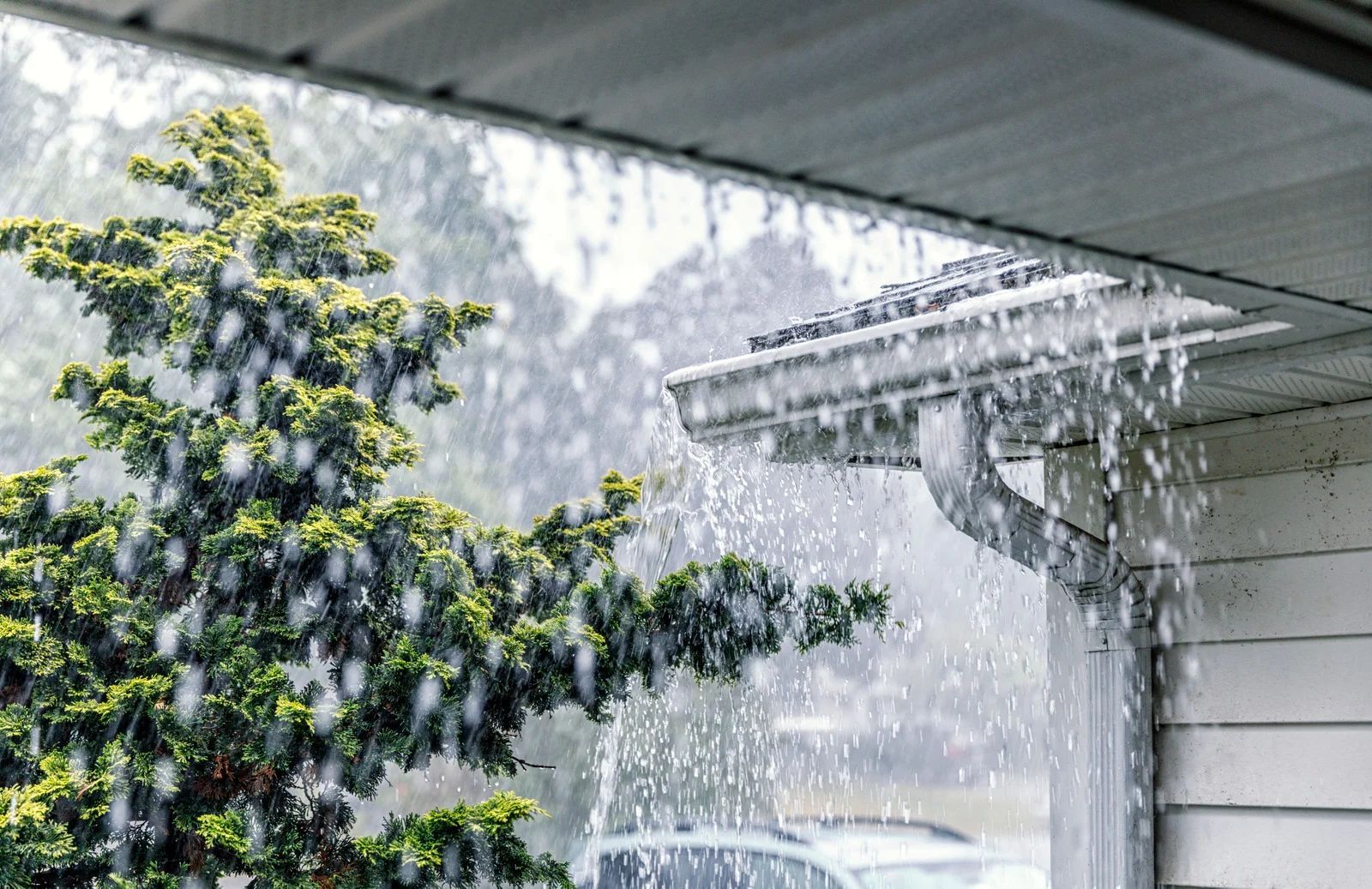
A roof sheds a lot of water in a single storm. On an average-size home, even a half inch of rain works out to hundreds of gallons coming off the roof surface. Gutters exist to catch that volume and carry it to downspouts, which then move it several feet away from the foundation before it soaks into the ground.
When that system works the way it should, the soil right against your basement walls stays fairly dry, even during a downpour. Pack the gutters with leaves, seed pods, or granule buildup from asphalt shingles, though, and water has nowhere to go but over the edge. It falls in a sheet along the same few feet of foundation, storm after storm, and that spot becomes the wettest ground on your property.
You may not think of your basement as connected to what's happening in the gutters two stories up. But the two are tied together by plain gravity. Water always finds the lowest point and the path of least resistance, and a clogged gutter system hands it a direct route to your foundation instead of routing it away.
Why the Dampness Follows Every Storm, Not Just the Big Ones
One detail trips up a lot of homeowners: it isn't only the major storms that cause trouble. A modest rain can leave the same wet basement corner as a heavier one, because the ground near the foundation is already primed.
Soil that's been repeatedly soaked by overflow behaves differently than soil that gets a chance to dry out between storms. Past a certain saturation point, it holds water close to the surface instead of letting it drain through. The next storm, even a mild one, lands on ground that's already holding as much moisture as it can. The excess has nowhere to go except toward the path of least resistance, which is often straight into the basement.
That's the pattern worth watching for. If a light rain causes the same damp smell or the same wet patch that a downpour did last month, the storm itself usually isn't the issue. What's been happening to the soil around your foundation between storms is.
The Overflow You Might Be Missing
Not every overflow is obvious. Some of it happens along the back or side of the house where you rarely look, or behind the gutter rather than over the front lip. A gutter packed tight with debris can push water backward, over the top edge closest to the roof, where it runs down the fascia board and siding instead of spilling visibly into the yard. From the ground, everything can look fine while a steady trickle soaks into the foundation wall directly below.
This kind of hidden overflow is one of the more common reasons homeowners are surprised to learn their gutters are behind a basement issue. They checked the front of the house, saw water flowing normally out of a downspout, and figured the whole system was clear. One section further back had backed up completely.
Tip: Walk the perimeter of your house during a moderate rain if it's safe to do so, or check right after one lets up. Look at the ground and the base of the foundation, not just the gutters themselves. Wet mulch, eroded soil, or a channel worn into the ground below a gutter section is a strong sign that section is overflowing, even if you never saw it happen.
From Soggy Soil to a Damp Basement Wall
Here's how saturated soil actually turns into interior dampness, and why the problem keeps recurring until the drainage gets fixed.
When soil around a foundation stays wet, it swells and pushes against the basement wall, a force known as hydrostatic pressure. Concrete and concrete block aren't sealed materials. At a microscopic level they're porous, and under enough sustained pressure, water works its way through the material itself, not just through visible cracks. That's why a basement wall can feel damp or show a dark discoloration even when there's no crack in sight.
Where cracks do exist, whether hairline settling cracks or a gap where the wall meets the floor slab, that pressure finds them fast. Water takes the route of least resistance, and a joint or crack under pressure is exactly that. It's also why the same spot tends to leak every time. The water isn't finding a new way in each storm. It's using the same weak point, which is exactly why the pattern feels so consistent, and so frustrating.
Signs the Gutters, Not the Foundation, Started the Problem
Before you assume you're facing a structural foundation issue, rule out gutter-driven drainage first. Start with the siding. Dark streaks or staining running down from a gutter seam or corner are a giveaway, and so is mulch or soil that looks washed out or oddly compacted in one section along the foundation. Look at the gutters themselves too: a run that sags, pulls away from the fascia, or holds standing water and debris after a dry stretch isn't clearing the way it should. Then check the downspouts. One that dumps water within a foot or two of the foundation is doing the opposite of its job.
Line all of that up against where your basement actually gets damp. If the wet corner sits on the same side of the house where the staining, the sagging gutter, and the close downspout all show up, that's not a coincidence. It's the same problem showing up in three places at once.
How Often Should You Power Wash?
Where Downspouts Make or Break the Outcome
Clean gutters solve half the problem. The other half comes down to where the water goes once it leaves the downspout. A downspout that empties its full load right at the base of the foundation can undo all the benefit of a clear gutter run, because the water is still concentrating in one spot right against the house.
Extensions and splash blocks exist for exactly this reason. They carry water further from the foundation and spread it out so the ground can absorb it gradually instead of all at once, right against the wall. Over time, extensions shift, get buried under mulch, or get knocked loose by a lawn mower or a curious dog. Once that happens, the downspout is effectively dumping water back at the foundation even though the gutter above it is working fine.
Grading matters here too. Soil that slopes toward the house rather than away from it, sometimes the result of years of mulch buildup or settling near the foundation, will guide water back toward your basement wall no matter how well the downspout is aimed. The gutter system and the ground around your home need to be working together here, not in isolation.
When Older Homes and Mature Trees Compound the Problem
Homes in established neighborhoods with mature tree canopies deal with a version of this problem that newer construction rarely sees in the same way. Decades-old oaks and maples drop far more debris than younger trees, and that debris compounds year over year without a gutter system on a regular cleaning schedule. Add an older foundation, where the original grading may have shifted or settled over the decades, and gutter overflow has an easier path into the basement than it would on a newer build.
Window wells are a particular weak point on older homes. A window well that isn't draining properly collects the overflow running off a clogged gutter section directly above it, and that water sits right against a below-grade window frame, one of the more vulnerable points in the whole foundation. If your basement dampness seems to trace back to a window rather than a solid wall, check whether the gutter section directly overhead is clear and pitched correctly before assuming the well itself needs to be dug out and rebuilt.
Warning: Don't let a wet basement become a recurring routine before you address it. Water that repeatedly reaches the same crack or joint doesn't just sit there. Over successive storms, it can widen existing cracks and wash out fine soil particles beneath the footing. What seems like a minor annoyance in its first season often turns into a much larger repair if the source keeps getting ignored.
What a Thorough Cleaning and Inspection Actually Addresses
A proper gutter service goes past scooping out visible leaves. It includes flushing every downspout to clear internal blockages you can't see from the ground, checking that each run still has the right pitch toward its downspout, and clearing the roof valleys and edges near chimneys where debris collects and washes back into a freshly cleaned run. Loose brackets and sections pulling away from the fascia get caught during this kind of inspection too, since a sagging run holds water even when it isn't technically clogged.
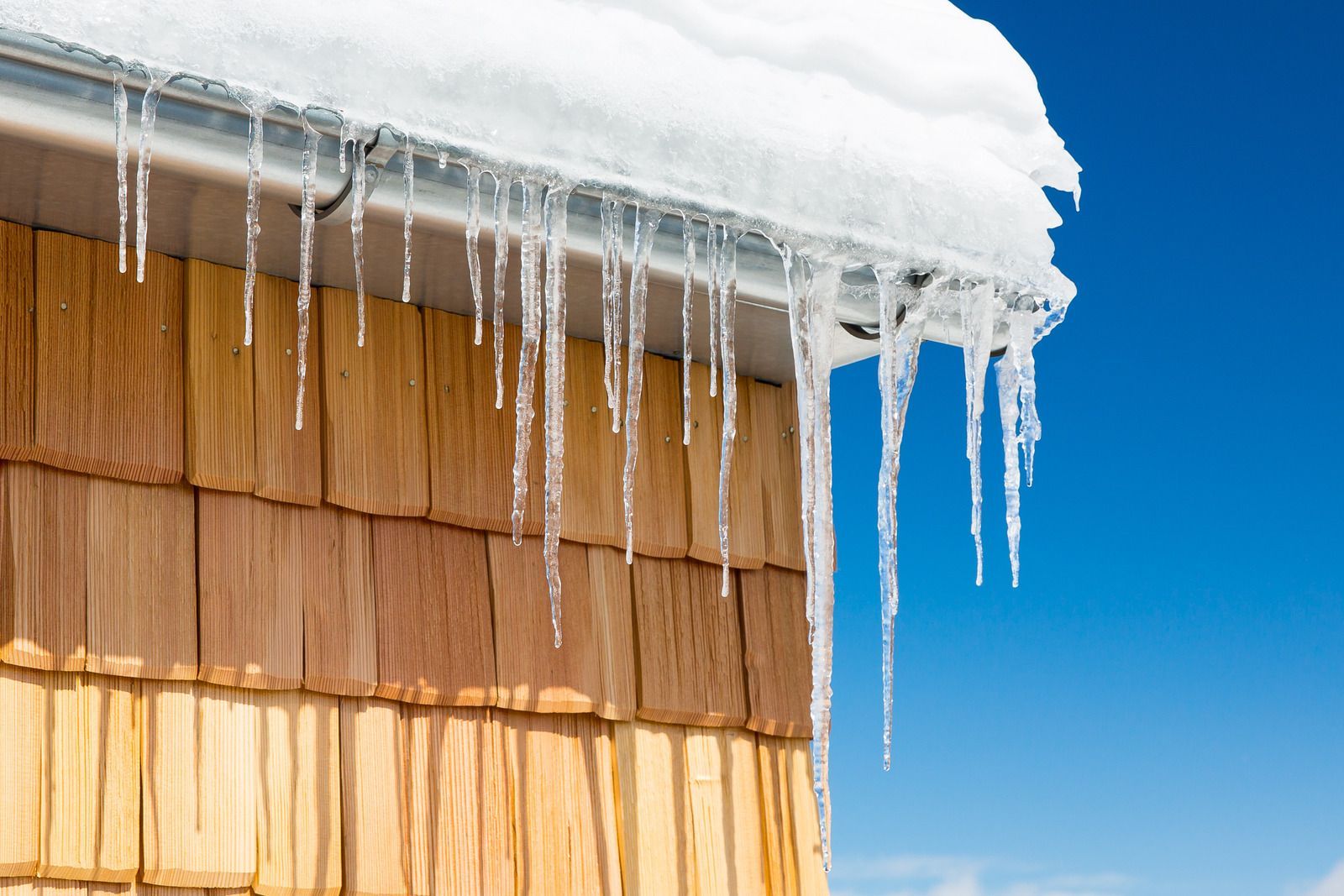
Fall matters most for this. That's when leaf drop from mature trees fills a gutter system fast, and it matters again before winter, when trapped debris freezes and stops meltwater from draining at all. A gutter system that's clear, pitched correctly, and paired with downspouts that carry water away from the foundation removes the single biggest variable behind a basement that gets damp every time it storms.
Frequently Asked Questions
Can gutters really be the reason my basement gets damp, even though the water has to travel down through the ground?
Yes. Water doesn't need to travel far. Soil against a foundation wall saturates from just a few feet of overflow, and that pressure alone pushes moisture through concrete or into existing cracks.
Why does my basement stay dry during light rain but get damp during a longer storm?
It comes down to duration, not intensity. A longer storm gives overflow more time to soak the same ground, reaching saturation where it presses on the foundation. Lighter rain often ends before that.
I cleaned my gutters myself and the dampness is still happening. What am I missing?
Check the downspout extensions and grading at ground level. A clear gutter still sends water back if the discharge sits too close or the soil slopes wrong. Watch for off-pitch sections too.
Is it normal for only one side of the house to have this problem?
Very much so. Roof runoff isn't even. A side with a larger roof section draining into it, more tree cover, or a close downspout shows symptoms long before the rest does.
Does this mean my foundation is failing?
Not necessarily. Most basement dampness traced to gutters is a drainage issue, not a structural one. Still, if water keeps reaching the same crack over seasons, have both looked at together.
How often should gutters be checked to prevent this from becoming a recurring issue?
Twice a year at minimum, usually spring and fall, plus an extra check after any storm that drops heavy debris. Homes surrounded by mature trees often need more frequent attention than that.
Where a Damp Basement Fix Really Starts
Chasing a wet basement corner storm after storm gets old, and the real fix usually starts higher up than most homeowners expect. Once you walk the perimeter, watch for hidden overflow, and confirm where your downspouts actually discharge, the picture tends to clear up on its own. More often than not, the water tracing into your basement began as rain that never made it away from the roofline, spilling instead onto the same saturated patch of ground beside the wall.
Homeowners across Maplewood, NJ have seen this same pattern play out, where
clear gutters
and well-aimed downspouts settle a problem that looked structural from the inside. Mack Glass And Gutters
has spent 15
years tracing basement dampness back to its true source along the roof edge, and that experience shows how often the answer sits in plain drainage rather than the foundation itself. Reading the signs correctly is what keeps a small seasonal nuisance from growing into something far costlier.