Gutters Overflowing in a Downpour Even Though They Look Clear? What Else Causes It
Quick Answer: When gutters overflow in a heavy rain despite looking clean, the clog is usually not the whole story. The most common hidden causes are a blocked or undersized downspout, gutters that have lost their slope toward the outlet, a system that is simply too narrow for the roof draining into it, and water sheeting off the roof edge fast enough to overshoot the trough or run behind it. Roughly two inches of rain in an hour will overwhelm a lot of otherwise healthy gutters, so timing and intensity matter too. Sorting out which of these is happening takes watching the water and checking the pitch, the outlets, and the size, not just clearing leaves.
You cleaned the gutters last month, you can see the bottom of the trough, and yet the first real downpour sends a sheet of water pouring over the front edge like the gutters are not even there. It happens along the same stretch every time, splashing down onto the walkway or digging a little trench in the mulch below. From the ground the run looks fine, which is exactly what makes it so frustrating.
Overflow in a hard rain does not always mean a clog. A gutter is a fairly simple channel, but it only works when several things line up: water has to land in it, flow toward the outlet, drop through the downspout, and clear the system faster than the roof feeds it. When any one of those steps falls behind, the trough fills and spills, and a system you just cleaned can overflow as badly as a clogged one. Here is what else causes it and how a pro tells the difference.
Understanding the Differences
Choosing the wrong method for a surface can cause cracking, stripping, water intrusion, and paint damage. A professional assessment before any cleaning job is essential.
Start With How Much Rain Is Actually Falling
Before blaming the gutters, it helps to know what they are up against. Gutters are sized for ordinary rain, not for the worst cloudbursts. As a rough benchmark, about two inches of rain in a single hour will overwhelm most residential gutter systems, while that same two inches spread over six hours drains without trouble. It is the intensity, not the total, that floods a trough.
That matters here in North Jersey, where summer thunderstorms and the tail ends of tropical systems can dump water in short, violent bursts. If your gutters only spill during those rare, blinding downpours and handle everything else, you may be looking at the limits of the system rather than a fault. The tell is consistency: overflow during every moderate rain points to a real problem, while spillover confined to the heaviest storms of the year points more toward capacity and intensity.
Note the pattern before you do anything else. Watch the run in the next steady rain and mark whether it overflows everywhere or only in one spot, whether it spills over the front lip or dribbles down behind the gutter, and whether it happens in a drizzle or only in a deluge. That single observation narrows the cause faster than any amount of guessing from the ground.
The Downspout Is Clogged Even If the Trough Is Clean
This is the one that fools people most often. You can clear every leaf out of the horizontal run, look down its length, and see a spotless channel, while the outlet and the downspout below it are packed solid. Debris does not spread evenly. It migrates to the drop, where the trough narrows into the downspout, and forms a plug you cannot see from the top.
When the outlet is blocked, water arriving from the roof has nowhere to go. It backs up at the corner, fills the trough, and pours over the nearest edge, usually right where the downspout is, which is the opposite of what you would expect. A quick way to check is to run a hose into the top of the gutter and watch the base of the downspout. If little or no water comes out the bottom while the trough fills, the downspout is the culprit and needs to be cleared, not the gutter.
North Jersey's mature oaks and maples make this worse than most places. The fine twigs, seed pods, and shingle grit that ride down with the leaves settle into the outlet and pack into a dense mat that a casual cleaning skips right over. A trough can look immaculate while the drop beneath it is completely stopped.
Tip: When you flush a suspected downspout, do it from the bottom first. Running a hose up into the outlet from the discharge end can push a loose clog back out the top, and it tells you immediately whether the blockage is in the downspout or higher up at the outlet itself.
The Gutters Have Lost Their Pitch
A gutter is not meant to sit dead level. It needs a slight, deliberate slope toward the downspout so water is always moving toward the outlet instead of standing still. The usual target is somewhere around a quarter to half an inch of drop for every ten feet of run, just enough that you would never notice it by eye but enough to keep water traveling.
Over years of freeze and thaw, the weight of wet leaves, ice loading in the Jersey winter, and hangers that slowly loosen, a run can sag in the middle or tilt away from the outlet. Once that happens, water pools in the low spot instead of draining. In a light rain the pooling is invisible, but in a downpour the standing water leaves no room for the incoming flow, and the trough spills over the low section long before the outlet ever gets a chance to carry it away. Re-establishing the correct pitch, either by resetting the hangers or re-hanging the run, is what restores the drainage.
Pitch problems tend to show up as overflow in the middle of a run rather than at the ends. If the spill is centered on a sag you can actually see when you look down the length of the gutter, slope is the likely reason.
How Often Should You Power Wash?
The System Is Too Small for the Roof Feeding It
Sometimes the gutters are clean, sloped correctly, and draining freely, and they still cannot keep up. The reason is capacity. A five-inch K-style gutter, the most common residential size, holds roughly 1.2 gallons of water per foot. Step up to a six-inch gutter and that jumps to about 2.0 gallons per foot, which is close to 67 percent more capacity from a single extra inch of width. That difference decides whether a big roof section stays ahead of a storm or falls behind it.
The downspouts matter just as much as the trough. A narrow two-by-three-inch downspout drains far less water than a three-by-four, and a gutter with plenty of holding capacity will still overflow if the outlet cannot empty it fast enough. A common rule of thumb is one downspout for roughly every forty feet of run, with extra outlets added where valleys or large roof planes dump concentrated water into one spot. When a big, steep roof funnels into an undersized trough with too few or too narrow downspouts, overflow is almost baked in.
Older North Jersey homes are prime candidates for this. Many were built with modest five-inch gutters and a single downspout per side, sized for the roof as it was decades ago and never reconsidered when additions, dormers, or steeper replacement roofs changed how much water lands where. The system is not broken so much as outmatched.
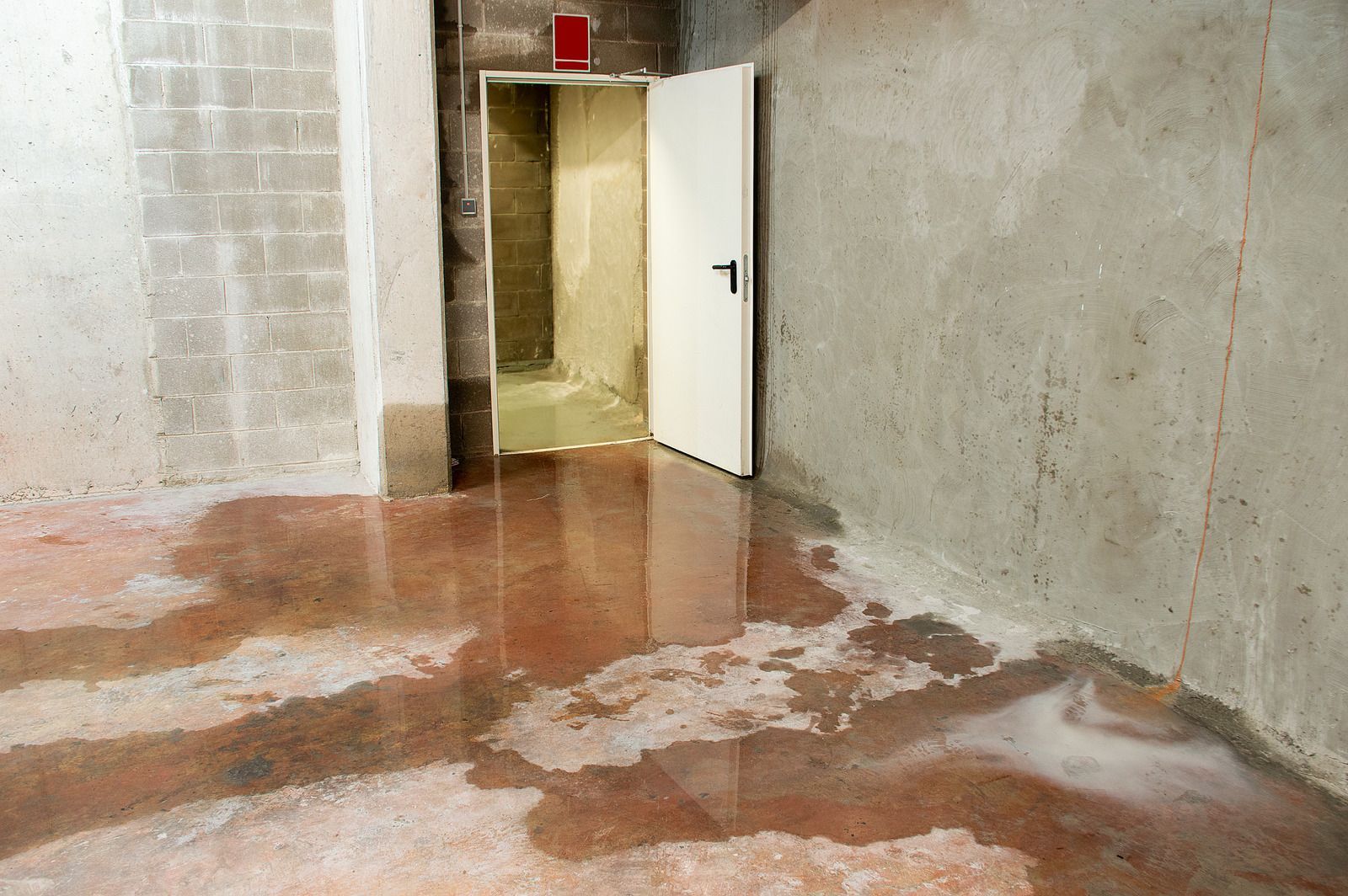
Warning: Water that repeatedly overflows and lands right at the foundation is not just a nuisance. Concentrated runoff saturates the soil against the house, and in a region with older basements that is exactly how storm-after-storm dampness and foundation trouble start. Overflow that pools at the base of the wall is worth correcting before it turns into a much larger problem inside.
Water Is Overshooting the Gutter or Running Behind It
Here is a cause many homeowners never consider: the water never makes it into the gutter at all. On a steep roof, or one with brand-new shingles, water can come off the edge fast enough to shoot straight over the front lip of the trough, especially if the gutter sits a little too far out from the roofline. The gutter is clean and perfectly functional, but it is catching only part of the flow because the rest is launching clear over it.
Fresh shingles make this worse for a year or two. A newly replaced roof sheds water noticeably faster than the weathered surface it replaced, because the granules are intact and smooth, and that faster stream can overshoot a gutter that handled the old roof fine. It is a frequent reason gutters that never spilled suddenly start overflowing right after a roof job, with nothing wrong in the gutter itself.
The opposite failure is water sneaking behind the gutter and running down the fascia. This traces back to the drip edge, the metal flashing at the roof's edge that is supposed to guide runoff forward into the trough. When that flashing is missing, set wrong, or the gutter sits too low behind it, water clings to the underside of the edge and pours down behind the gutter instead of into it. You see the symptom as staining or peeling on the fascia board rather than a clean overflow off the front, and the fix is gutter apron flashing that bridges the gap and directs the water where it belongs.
How a Pro Sorts Out the Real Cause
Because so many different problems produce the same overflowing sheet of water, the diagnosis is about watching and testing, not assuming. The first step is simply observing the system under water, either during a real rain or by running a hose along the roof edge and into the trough. Where the water spills, whether it goes over the front or behind, and whether the downspout discharges freely all point toward different causes.
From there it is a matter of checking the pieces in order: probing the outlets and downspouts for hidden blockage, putting a level on the run to confirm the pitch still carries water to the drop, measuring the gutter and downspout size against the roof area draining into them, and inspecting the drip edge and the gap between the roof edge and the trough. What comes out of that is the actual reason your clean gutters are overflowing, whether it is a plugged downspout, a lost slope, an undersized system, or water overshooting the edge entirely. That beats cleaning the same gutters again and watching them spill in the next storm.
Frequently Asked Questions
Why do my gutters overflow when they are completely clean?
Clean gutters may still overflow because of blocked downspouts, improper slope, undersized gutter systems, or water bypassing the gutter entirely. Identifying the actual cause is essential because cleaning alone cannot correct structural or drainage problems affecting overall performance and reliability.
How much rain does it take to overflow a normal gutter?
Heavy rainfall falling within a short period can overwhelm standard residential gutters, even when they are clean. Rainfall intensity matters more than total daily accumulation, so exceptionally strong storms may temporarily exceed the drainage capacity of an otherwise properly functioning gutter system.
Can a clogged downspout make clean gutters overflow?
Yes. A blockage inside the downspout prevents water from leaving the gutter, causing it to back up and spill over the edges. Hidden clogs near the outlet are common and may not be visible during a simple visual inspection from above.
Why did my gutters start overflowing right after a new roof?
New roofing materials often shed water more quickly than older surfaces, changing how runoff enters the gutters. Small differences in shingle overhang or drip edge installation can redirect water, causing overflow even when the gutter system itself remains in good condition.
What does it mean when water runs behind the gutter instead of over it?
Water flowing behind gutters often indicates a missing or improperly installed drip edge. Instead of entering the gutter, runoff follows the roof edge onto the fascia, causing staining, peeling paint, wood deterioration, and moisture damage behind the gutter rather than visible overflow.
Are bigger gutters the answer to overflow?
Not always. Larger gutters increase water capacity, but they cannot solve problems caused by blocked downspouts, improper slope, or poor roof drainage. Determining the true reason for overflow ensures the correct repair is made instead of unnecessary gutter replacement or upgrades.
Getting Water Back Where It Belongs
Clean gutters that still overflow are telling you the problem lives somewhere other than the leaves. The water might be backing up at a hidden downspout plug, pooling in a run that has lost its slope, spilling from a system too small for the roof above it, or never landing in the trough at all because it overshoots the edge or slips behind it. Each of those leaves a different signature in how and where the water spills, which is exactly why watching the overflow is worth more than another pass with a scoop. Get the real cause identified, and the next downpour runs quietly down the downspout instead of over the front of the house.
Trace the overflow to its real source before the next storm — When clean gutters keep spilling, the fix depends entirely on why, and guessing usually means cleaning the same run again and watching it fail. With 15
years of experience, Mack Glass And Gutters
traces water to the true source of the overflow for homeowners in Maplewood, New Jersey, checking downspouts for hidden clogs, correcting the pitch on sagging runs, measuring gutter capacity against the roof, and inspecting the drip edge for water slipping behind the trough. Schedule a gutter overflow assessment and get your gutters carrying water away from the house again.