Power Washing Services: The Safest Way to Restore Your Property’s Curb Appeal
Your property's exterior faces a constant assault from the environment. Dirt, mold, mildew, algae, pollen, and vehicle exhaust settle into every surface over time, dulling the appearance of driveways, siding, decks, fences, and walkways. What starts as a thin layer of grime becomes a stubborn buildup that resists ordinary rinsing and makes even well-maintained properties look neglected. This gradual decline in curb appeal is not just a cosmetic issue. Biological growth like algae and mold can physically break down surface materials if left untreated, leading to premature deterioration.
Power washing offers a practical and proven solution for reversing this damage. When done correctly, it removes years of buildup without harming the underlying surface, restoring your property to a clean, presentable condition. Whether you are a homeowner preparing a house for sale, a business owner managing first impressions, or a property manager maintaining multiple buildings, understanding how power washing works and when to use it helps you make smarter decisions about exterior maintenance. This guide covers the core principles, safety considerations, surface-specific guidance, and best practices that separate a safe, thorough clean from one that causes unintended damage.
Power Washing vs. Pressure Washing vs. Soft Washing
Understanding the Differences
These three terms are often used interchangeably, but they describe distinct methods with different applications.
Pressure washing uses plain cold water at high pressure to blast away debris. It works well on hard, durable surfaces like concrete driveways and stone pathways, but it is not appropriate for softer or more delicate materials.
Power washing is similar to pressure washing but uses heated water. The heat increases cleaning power, making it particularly useful for removing grease, oil stains, gum, and biological growth from commercial surfaces, parking lots, and heavy-use areas.
Soft washing uses low pressure combined with cleaning solutions to break down organic matter like algae, mold, and mildew at the cellular level. This method is the right choice for roofs, stucco, painted wood, vinyl siding, and other surfaces that would be damaged by high-pressure water.
| Method | Water Temperature | Pressure Level | Best For |
|---|---|---|---|
| Pressure Washing | Cold | High | Concrete, stone, brick |
| Power Washing | Hot | High | Oil stains, grease, gum |
| Soft Washing | Cold | Low | Siding, roofs, painted surfaces |
Choosing the wrong method for a surface can cause cracking, stripping, water intrusion, and paint damage. A professional assessment before any cleaning job is essential.
Surfaces That Benefit Most from Power Washing
Where It Makes the Biggest Difference
Not every surface responds the same way to high-pressure cleaning. Understanding which materials are good candidates helps set realistic expectations.
Concrete driveways and walkways accumulate oil stains, tire marks, and biological growth over the years. Power washing removes this buildup and can significantly brighten the appearance of aged concrete without requiring resurfacing.
Brick and masonry collect dirt, efflorescence (white salt deposits), and moss in their textured surfaces. Hot water and appropriate pressure can extract this contamination from deep within the porous material.
Wooden decks and fences respond well to soft washing or low-pressure washing when done carefully. The goal is removing mildew and weathered surface grime without raising the wood grain or stripping protective finishes.
Vinyl and aluminum siding often develops dark streaks caused by mold and mildew feeding on moisture. A soft wash treatment removes this growth at the root rather than just washing the surface.
Gutters accumulate tiger-striping, which refers to the dark vertical streaks caused by oxidation and runoff residue on the outer face of the gutter. Power washing combined with the right detergent removes these marks without damaging the finish.
Commercial surfaces including loading docks, storefronts, parking structures, and sidewalks carry heavy foot traffic and vehicle contamination. Regular power washing keeps these areas safe and visually presentable.
Safety Considerations You Cannot Ignore
The Risks of DIY Power Washing
Renting a power washer and attempting the job without experience is one of the most common causes of preventable property damage. High-pressure water can:
- Strip paint from wood and metal surfaces
- Force water under siding and into wall cavities, causing mold growth inside the wall
- Etch soft stone like limestone or sandstone
- Break mortar joints in brick
- Crack older concrete under high pressure
- Injure the operator if the lance recoils unexpectedly
Professionals train on pressure settings, nozzle selection, and proper distance management for different surfaces. They also understand which detergents are safe for specific materials and how to prevent runoff from damaging surrounding landscaping.
Personal Safety During the Job
Water at high pressure can cause serious lacerations. Protective gear including safety glasses, closed-toe footwear, and waterproof gloves is non-negotiable. Operators working on ladders with a pressure lance face additional fall risk because the recoil from the wand can cause sudden loss of balance. Scaffolding or extension wands rated for height work are safer alternatives.
Chemical safety matters as well. Many cleaning solutions used in soft washing contain sodium hypochlorite or surfactants that require proper dilution and neutralization before runoff enters storm drains or plant beds.
Frequency and Seasonal Timing
How Often Should You Power Wash?
The right schedule depends on the surface, local climate, and the level of biological activity in the surrounding environment.
Annual cleaning suits most residential driveways, walkways, and vinyl siding in temperate climates.
Bi-annual cleaning is appropriate in areas with heavy tree coverage, high humidity, or proximity to coastal environments where salt accumulates on surfaces.
Quarterly or monthly cleaning may be warranted for commercial properties with high foot traffic or food service businesses where grease and residue accumulate rapidly.
Post-winter cleaning in northern climates addresses salt residue left behind by road treatments, which accelerates corrosion on metal fixtures, railings, and vehicles near the cleaned surface.
Spring and early fall are generally the most practical windows for residential exterior cleaning. Attempting power washing in freezing temperatures risks water freezing inside equipment, on cleaned surfaces, and in gaps where it can expand and cause cracking.
Preparing Your Property Before a Power Wash
How Often Should You Power Wash?
Steps That Protect Your Belongings and Landscaping
A proper pre-cleaning walkthrough prevents damage and makes the job more thorough.
Close all windows and doors tightly before washing begins. High-pressure water easily penetrates window gaps, particularly in older frames.
Move outdoor furniture, planters, and decorations away from the work area. Even objects that look securely placed can be knocked over or saturated.
Cover electrical outlets and fixtures on exterior walls with plastic sheeting and tape. Water intrusion into exterior outlets is a safety hazard.
Wet down surrounding plants and shrubs before applying any cleaning solution. Pre-wetting dilutes chemical contact with foliage and reduces absorption. Rinse plants again after the cleaning solution has been applied and rinsed from the target surface.
Mark or flag fragile areas such as cracked concrete joints, loose mortar, or old caulking so the operator knows to reduce pressure around those zones.
What to Look for When Hiring a Power Washing Service
Choosing the Right Professional
Not all power washing services operate at the same standard. Before hiring, verify the following:
Insurance coverage is the first requirement. Any contractor working on your property should carry general liability insurance. Without it, surface damage or injuries during the job become your financial responsibility.
Surface-specific experience matters more than general cleaning experience. Ask whether the contractor has worked on your specific material, whether that is older brick, composite decking, or EIFS stucco.
Detergent transparency is a reasonable expectation. A reputable service should be willing to explain what chemicals they use and why they are appropriate for your surfaces and safe for surrounding landscaping.
Equipment condition reflects operational standards. Professional-grade equipment maintains consistent pressure and temperature, which protects surfaces from the inconsistency that worn residential rental units produce.
Written scope of work prevents misunderstandings. A clear description of which surfaces are being cleaned, what method will be used, and what the expected result is protects both parties.
Maplewood's Dependable Choice for Professional Gutter Cleaning
Power washing is one of the most straightforward ways to maintain and restore a property's exterior. When applied with the right method, the correct pressure, and appropriate chemistry for each surface, it removes years of buildup and extends the functional life of driveways, siding, decks, gutters, and commercial surfaces. The key distinctions between power washing, pressure washing, and soft washing determine whether a job delivers a clean result or causes surface damage. Scheduling cleaning at the right frequency for your climate and usage patterns keeps organic growth from taking hold between sessions. Preparing the property properly before work begins protects plants, fixtures, and finishes. And selecting a qualified, insured professional over a rental unit reduces the risk of damage that costs far more to repair than the cleaning itself would have saved.
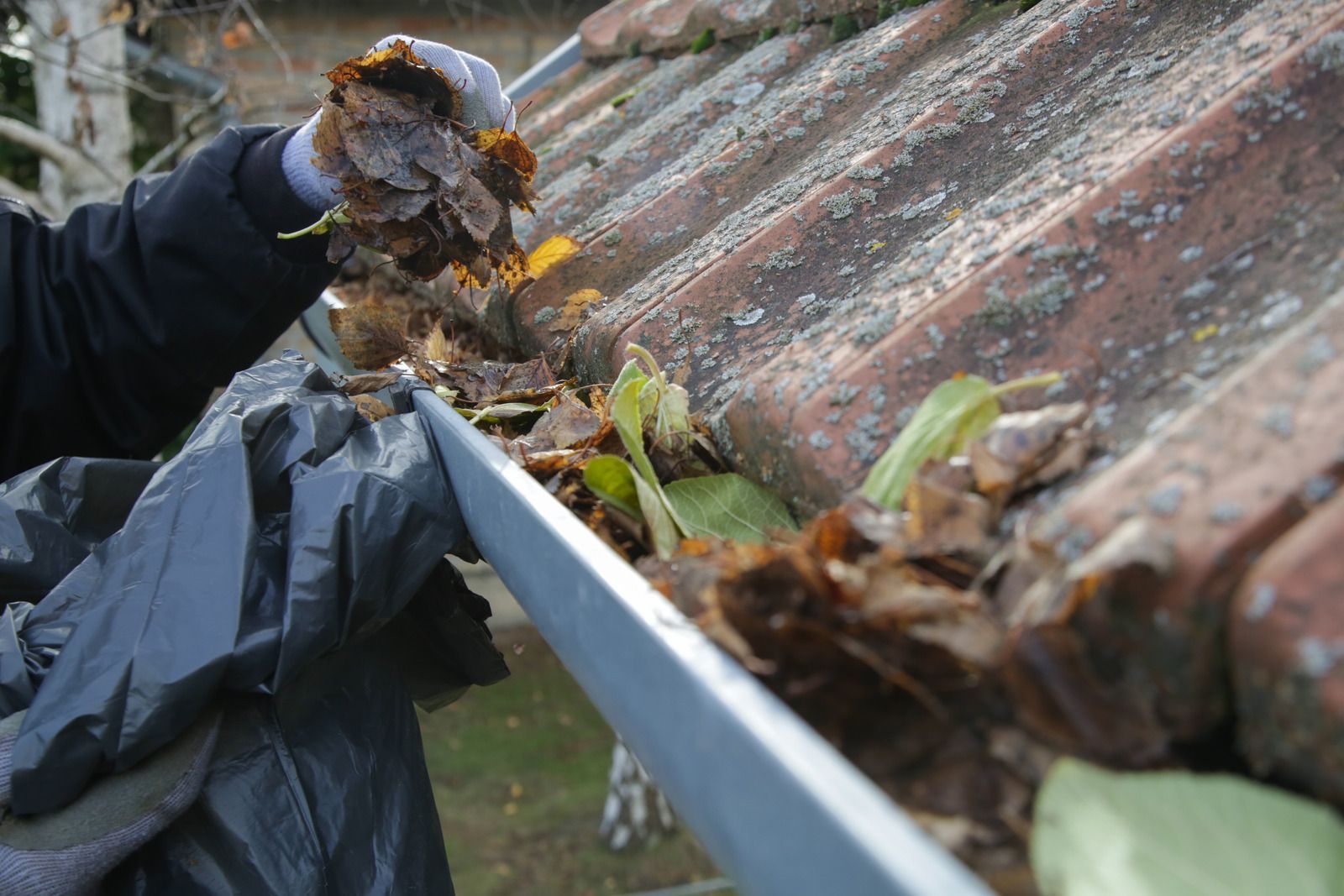
At Mack Glass And Gutters, we have spent 15 years serving homeowners and property managers across Maplewood, NJ, with gutter cleaning services that protect exterior surfaces from the water damage and biological buildup that cleaning alone cannot prevent. We understand that gutters are a direct extension of your property's exterior health. When gutters clog and overflow, water spreads across siding, seeps into fascia boards, and saturates the ground along your foundation, creating the exact conditions where mold, mildew, and surface staining take hold.
Our work in Maplewood gives us a clear picture of what the local climate does to gutters and exterior surfaces season after season. We clear debris, flush downspouts, and inspect for early signs of wear so that water moves where it should rather than where it causes damage. Keeping gutters clean is one of the most practical ways to reduce the frequency of exterior washing and protect the surfaces you have already invested in maintaining. When you are ready to put your property's exterior in order, we are the team Maplewood trusts to get it done right.
Frequently Asked Questions
1. How long does a typical power washing session take for a residential property?
Most residential power washing jobs take between two and four hours depending on the size of the property and the number of surfaces being cleaned. Heavily soiled areas or surfaces requiring soft wash treatment and dwell time may extend the job further.
2. Will power washing damage my landscaping or garden beds?
When handled carefully, power washing poses minimal risk to landscaping. Professionals pre-wet surrounding plants, use environmentally appropriate detergents, and rinse foliage after the cleaning solution has been cleared from the target surface to prevent chemical exposure.
3. Can power washing remove oil stains from my driveway completely?
Hot water power washing combined with a degreasing detergent removes most oil stains from concrete. Very old or deeply absorbed stains may lighten considerably but not disappear entirely. A concrete sealer applied after cleaning helps prevent future staining from penetrating as deeply.
4. Is soft washing safe for painted wood siding?
Soft washing is one of the safest methods for painted wood siding when done at the correct pressure and with a pH-appropriate cleaning solution. High-pressure washing on painted wood risks stripping paint and raising the wood grain, which is why low-pressure soft washing is the preferred approach.
5. How soon after power washing can I seal or stain my deck?
Most professionals recommend waiting 48 to 72 hours after power washing a wood deck before applying sealant or stain. The wood needs adequate drying time to absorb the finish properly. In humid conditions, waiting the full 72 hours produces a better bond and longer-lasting result.